

 By
By 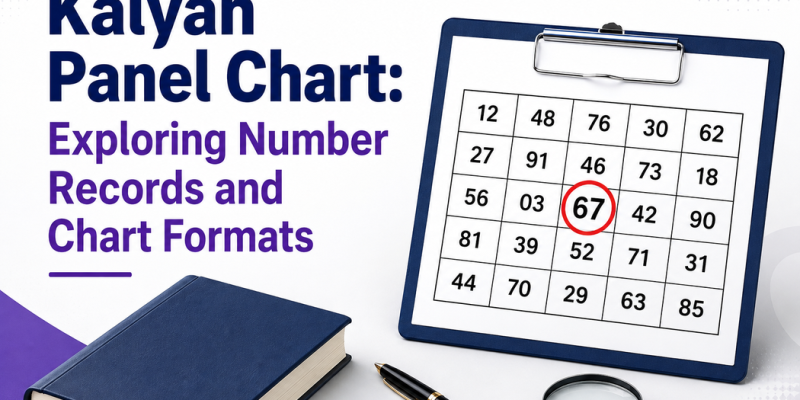
The Kalyan Panel Chart is a structured way of viewing number combinations and chart records associated with traditional number-based chart systems. For people who study historical records, these charts can provide an organized view of previously recorded panels, digits, and related combinations. Instead of looking at scattered information, a chart format brings different records together in an easier-to-read structure.
What Is a Kalyan Panel Chart?
A Kalyan Panel Chart generally presents three-digit panel combinations along with related number information. A panel is typically made up of three digits, and chart formats arrange these combinations according to a particular record system.
Historical charts may contain several sections, allowing readers to review information in a consistent format. The exact layout can differ depending on the source, but the main purpose is usually to organize numerical records for reference and comparison.
Understanding Different Chart Formats
Chart formats can vary from one collection to another. Some charts are arranged according to dates or periods, while others group information into columns or sections. Common elements may include panel combinations, single digits, and other numerical entries.
A well-organized chart makes it easier to locate a particular record. Readers can compare different entries and understand how information has been documented over time. However, historical records should be viewed as reference material rather than as a guarantee of future outcomes.
Why Historical Number Records Matter
Historical records are useful because they preserve information in an organized form. When studying a Kalyan Panel Chart, readers can observe how different combinations were recorded in earlier periods.
These records can also help explain the structure of traditional chart systems. Someone unfamiliar with panel formats may find a historical chart useful for understanding how three-digit combinations and related entries are displayed.
It is important to remember that past records do not establish future results. Numerical outcomes are uncertain, and historical patterns should not be treated as reliable predictions.
How to Read a Kalyan Panel Chart
Reading a chart becomes easier when its sections are understood first. Start by identifying the headings and the type of information shown in each column. Next, look at how panel combinations are separated and how single digits or other entries are presented.
Keeping attention on the chart’s structure can help avoid confusion. Readers should also verify information from a trustworthy source because different websites may use different layouts or terminology.
Benefits of an Organized Chart
A clear chart format offers several practical benefits:
- It keeps numerical records in one place.
- It makes older entries easier to locate.
- It provides a simple format for comparison.
- It helps readers understand panel combinations.
- It supports the study of historical chart structures.
The main value of these charts is organization and reference. They should not be considered a method for guaranteeing financial returns or predicting uncertain results.
FAQs
What is a Kalyan Panel Chart?
A Kalyan Panel Chart is a chart-based record that organizes three-digit panel combinations and related numerical information for reference.
What information can a panel chart contain?
Depending on the source, it may contain panel combinations, single digits, and other chart-related numerical records arranged in different sections.
Are Kalyan Panel Charts useful for historical research?
Yes. They can help readers review and compare previously recorded numerical information in an organized format.
Can a historical chart predict future results?
No. Historical records cannot guarantee or accurately predict future outcomes. They should be treated as reference information only.
Why do chart formats differ?
Different sources may organize their records using different headings, columns, and categories. The underlying information may therefore appear in different layouts.
Conclusion
The Kalyan Panel Chart provides an organized way to explore panel combinations and historical number records. Its structured format can make numerical information easier to locate, compare, and understand. Whether someone is learning about chart terminology or reviewing archived records, understanding the layout is an important first step. At the same time, historical charts should remain a source of information and reference rather than a promise of future results.





Comments