

 By
By 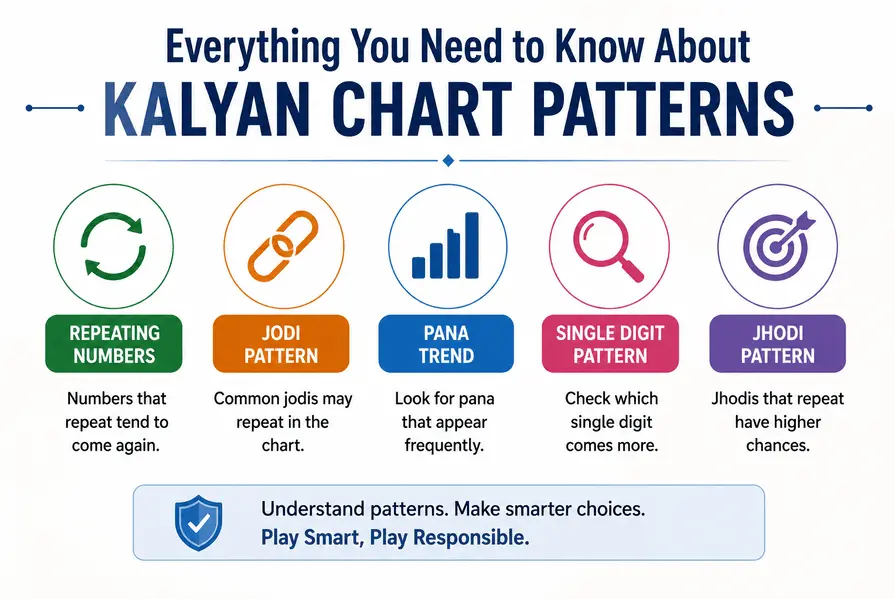
The Kalyan Chart is widely used for studying number patterns and understanding structured numerical data. It is a system that displays sequences of numbers in a clear and organized format. Many users explore the Kalyan Chart to analyze how numbers appear, repeat, and change over time. This article provides a complete guide to help you understand Kalyan Chart patterns in a simple way.
What is Kalyan Chart?
The Kalyan Chart is a numerical data chart that records daily number entries in a structured table format. It helps in organizing historical results and identifying patterns within number sequences. Each row in the chart represents a specific entry, making it easier to track changes and compare data over time.
The main purpose of the Kalyan Chart is to present numerical information in a way that is easy to read and analyze.
Structure of Kalyan Chart
The structure of the Kalyan Chart is simple and user-friendly. It usually includes:
- Daily number records
- Weekly and monthly data tracking
- Historical entries
- Sequence-based arrangements
This structured format allows users to easily compare past and present data. It also helps in identifying repeated patterns and trends within the dataset.
How to Understand Kalyan Chart Patterns
Understanding Kalyan Chart patterns requires careful observation and consistency. Here are some simple steps:
- Review Past Data: Start by checking previous entries in the chart.
- Compare Sequences: Look at how numbers are arranged over different days.
- Find Repetition: Identify numbers that appear multiple times.
- Observe Flow: Study how patterns change across time periods.
By following these steps, users can better understand how patterns are formed in the chart.
Importance of Kalyan Chart Analysis
The Kalyan Chart is important because it helps in organizing and analyzing number-based information. Some key benefits include:
- Better understanding of number patterns
- Easy comparison of historical data
- Identification of repeated sequences
- Improved analytical thinking skills
It is mainly used for studying structured data rather than making assumptions.
Common Mistakes to Avoid
While analyzing the Kalyan Chart, beginners often make mistakes such as:
- Focusing only on single entries
- Ignoring historical records
- Misreading pattern structures
- Not maintaining consistency in analysis
Avoiding these mistakes helps in better understanding and more accurate interpretation of the chart.
Tips for Better Understanding
Here are some useful tips to improve your analysis:
- Always study multiple days or weeks of data
- Keep notes of repeated patterns
- Compare long-term trends
- Focus on structured observation instead of random guessing
Consistency and patience are important for understanding how patterns evolve.
FAQs
What is Kalyan Chart?
The Kalyan Chart is a structured numerical chart that shows daily and historical number records in a simple format for analysis and study.
How does the Kalyan Chart work?
It works by organizing number data in rows and columns, allowing users to track patterns, sequences, and changes over time.
What is the purpose of Kalyan Chart?
The main purpose is to present number data in an organized way so users can study patterns and understand historical trends easily.
How can beginners understand Kalyan Chart patterns?
Beginners can start by reviewing past data, comparing number sequences, and observing repeated patterns across different time periods.
Why is Kalyan Chart analysis important?
It helps users understand how number patterns are structured and how they change over time, improving analytical skills.
Conclusion
The Kalyan Chart is a structured system designed to help users analyze number patterns and historical data. By understanding its format and studying it regularly, users can easily recognize trends and sequences. This guide provides a simple way to learn how Kalyan Chart patterns work and how to analyze them effectively.




Comments