

 By
By 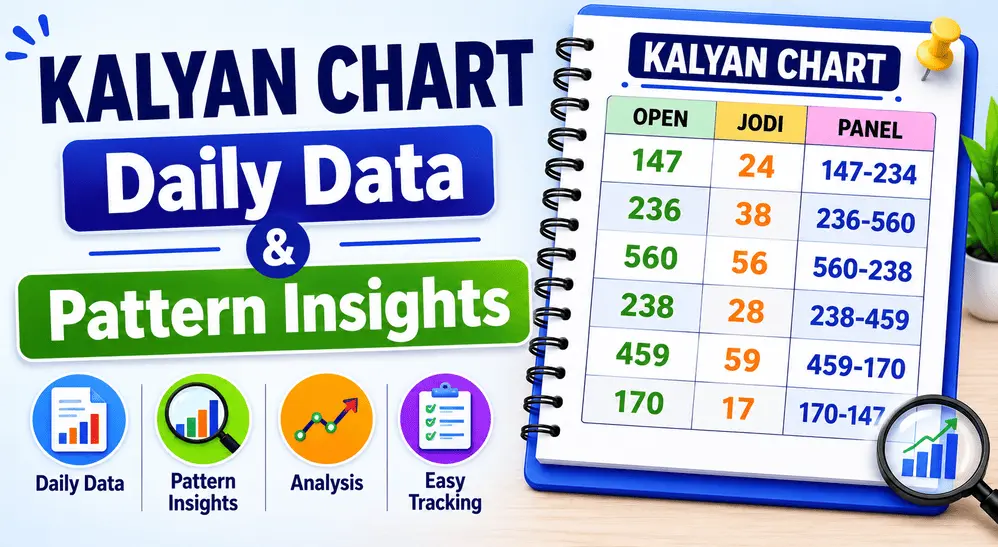
The Kalyan Chart is widely followed by users who like to study number records, daily sequences, and historical data in a structured format. Charts help organize information clearly so users can easily compare current entries with previous records. Because of this organized layout, many people prefer charts for observing numerical patterns and understanding sequence arrangements over time.
Daily data observation has become popular because it allows users to track number flow in a simple and systematic way. Instead of searching for records separately, users can review all important information in one place. This makes chart reading more convenient and saves time for regular observers.
Understanding Daily Data in Charts
Daily data refers to the records updated every day in a chart system. These updates are generally arranged date-wise so users can quickly check old and new information together. Organized daily records make comparison easier and help users notice repeating sequences or changing numerical trends.
Most charts use rows and columns to present information in a clean format. This structure improves readability and allows users to understand the sequence flow more efficiently. Many online platforms also maintain historical archives so users can review records from previous months and years whenever needed.
The Kalyan Chart is especially known for maintaining large amounts of historical data in a simple and accessible layout. This helps users study patterns without difficulty.
Importance of Pattern Observation
Pattern observation is one of the main reasons users regularly follow chart records. By reviewing old and recent data together, users can better understand how sequences appear over time. Certain combinations may repeat frequently, while others may change depending on the period being observed.
Some users prefer short-term observation by checking daily records, while others study long-term trends using monthly or yearly archives. Both methods help improve understanding of numerical flow and sequence movement.
Pattern observation also becomes easier when charts are updated regularly. Consistent updates allow users to maintain accurate records and compare data more effectively.
Features of a Well-Organized Chart
A properly designed chart system offers several useful features for users. These include:
- Date-wise arrangement of records
- Easy-to-read number format
- Historical archive sections
- Daily updated data
- Organized monthly and yearly records
These features help users quickly locate information and compare older records with recent entries. A clean layout also improves the overall reading experience.
How Users Study Chart Records
Different users follow different methods while studying chart records. Some focus on repeated sequences, while others compare daily updates with older historical data. Many users also maintain personal notes to track important observations and organize their analysis.
Consistency plays an important role in understanding chart patterns. Regular observation helps users become familiar with sequence structures and improves their ability to notice repeating trends.
Benefits of Historical Records
Historical records are useful because they provide a broader overview of number sequences over long periods. By reviewing old data, users can compare different trends and understand how numerical arrangements have changed over time.
Many chart websites maintain yearly archives so users can easily access older records without searching manually. This saves time and creates a more organized research experience.
Conclusion
The Kalyan Chart is widely used for studying daily data, historical records, and organized numerical sequences. Its structured format, clear layout, and regularly updated information make it useful for users who enjoy pattern observation and record tracking. Daily updates combined with historical archives create a complete system for understanding sequence trends over time.
FAQs
What is a Kalyan Chart?
A Kalyan Chart is a structured number record system that displays daily and historical numerical data in an organized format for easy observation and comparison.
Why do people check Kalyan Chart daily data?
People review daily data to observe number sequences, compare historical records, and understand changing numerical patterns over time.
How is data arranged in a Kalyan Chart?
The chart usually arranges information date-wise in rows and columns so users can easily track old and new records together.
Can beginners understand Kalyan Chart easily?
Yes, most charts are designed with a simple structure that makes it easy for beginners to read and understand the records.
Why are historical records important in chart analysis?
Historical records help users compare past and present data, observe repeated sequences, and study long-term numerical trends




Comments