

 By
By 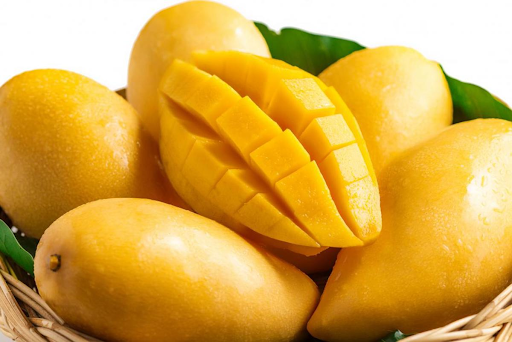
Kesar Mango is one of the most prized mango varieties in India, known for its rich aroma, vibrant color, and superior taste. Widely cultivated in regions like Gujarat, especially around Gir, it plays a crucial role in Mango Export from India, contributing significantly to the global demand for premium mangoes.
If you’re a farmer or agribusiness investor looking to improve production, this guide will help you maximize both yield and fruit quality.
Ideal Climate and Soil Conditions
Kesar mango thrives best in:
- Temperature: 24°C to 30°C
- Rainfall: Moderate, with a dry period during flowering
- Soil Type: Well-drained loamy or alluvial soil
Avoid waterlogging, as it can damage roots and reduce productivity.
High-Quality Planting Material
Choosing the right planting material is the foundation of successful mango farming:
- Use grafted saplings from certified nurseries
- Ensure disease-free and true-to-type plants
- Preferred spacing: 8m x 8m for optimal growth
Healthy plants directly impact fruit size, taste, and overall yield.
Efficient Irrigation Management
Water management is critical for both yield and fruit quality:
- Drip irrigation is highly recommended
- Reduce watering during flowering to enhance fruit setting
- Increase watering during fruit development
Proper irrigation also improves the shelf life of mangoes, which is vital for Mango Export from India.
Flowering and Fruit Set Management
To improve flowering and fruit retention:
- Use paclobutrazol (as per agricultural guidelines)
- Ensure balanced nutrition (especially potassium)
- Avoid excessive nitrogen during flowering
Better fruit set means higher production and export-grade quality.
Nutrient Management
Apply fertilizers based on tree age and soil testing:
- Nitrogen (N), Phosphorus (P), and Potassium (K) balance
- Organic manure improves soil health
- Micronutrients like zinc and boron enhance fruit quality
This leads to uniform fruit size and improved sweetness—key factors in the global Mango market.
Pest and Disease Control
Common threats include:
- Mango hopper
- Powdery mildew
- Fruit fly
Control measures:
- Regular orchard monitoring
- Use of bio-pesticides or recommended chemicals
- Maintaining orchard hygiene
Healthy fruits are essential for meeting international export standards.
Pruning and Canopy Management
- Remove dead or diseased branches
- Maintain proper sunlight penetration
- Improve air circulation
This reduces disease incidence and enhances fruit quality.
Harvesting and Post-Harvest Handling
- Harvest at the correct maturity stage
- Avoid mechanical damage
- Use proper grading and packaging techniques
Good post-harvest practices ensure better prices in both domestic and international markets, strengthening Mango Export from India.
Role in Mango Export from India
India is the largest producer of Mango globally, and Kesar mango holds a premium position in export markets like the Middle East, Europe, and the USA.
Key export advantages:
- Unique taste and aroma
- Attractive saffron-colored pulp
- Strong international demand
By focusing on quality farming practices, growers can tap into lucrative export opportunities.
Conclusion
Kesar mango farming can be highly profitable when done with proper planning and modern agricultural techniques. From selecting the right saplings to efficient irrigation and pest control, every step contributes to higher yield and superior fruit quality.
With increasing global demand, especially in Mango Export from India, adopting these best practices can help farmers achieve sustainable growth and better income.












Comments